Crumbling Brick Wing Wall Rebuilt from the Footing Up
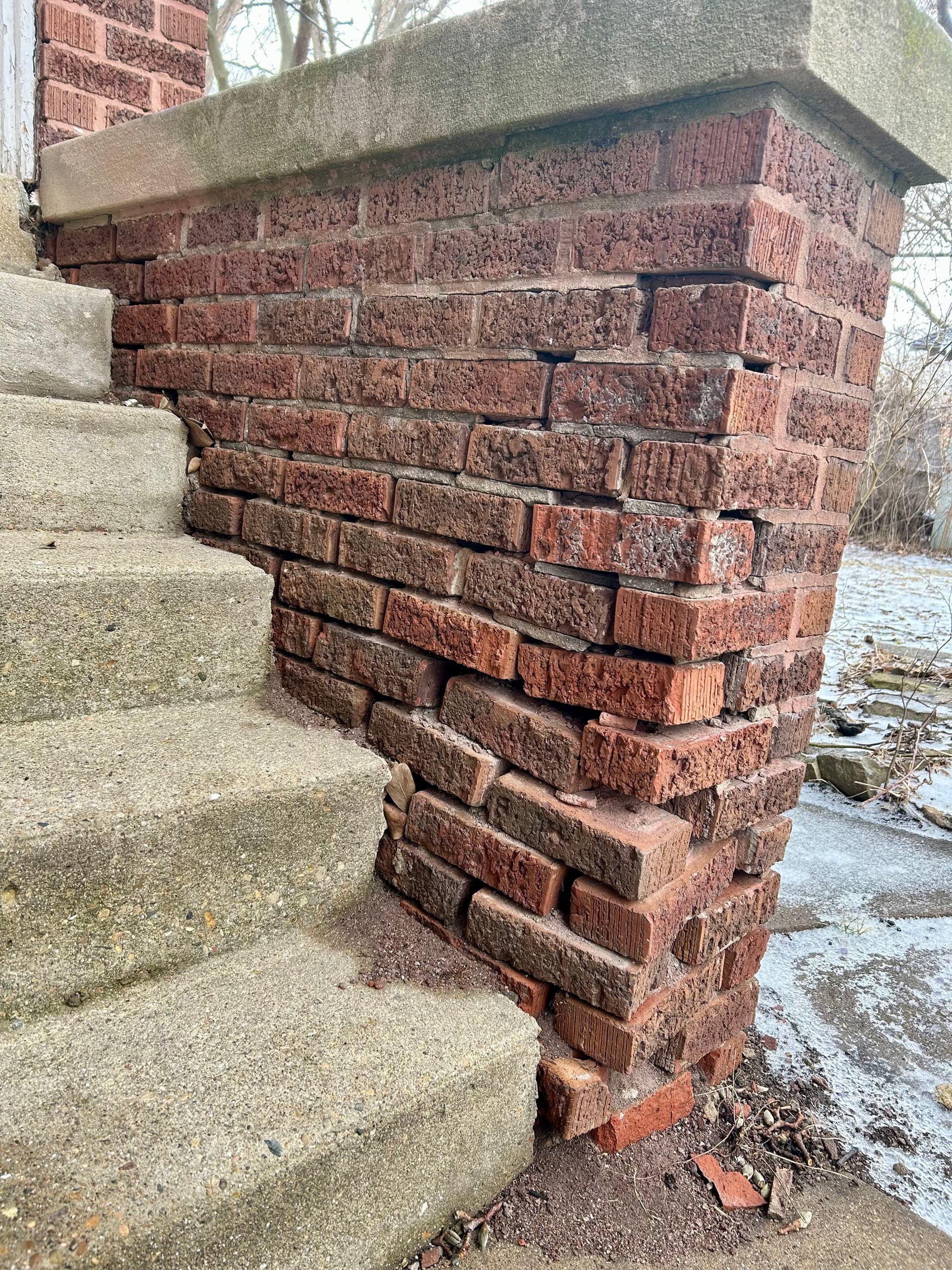
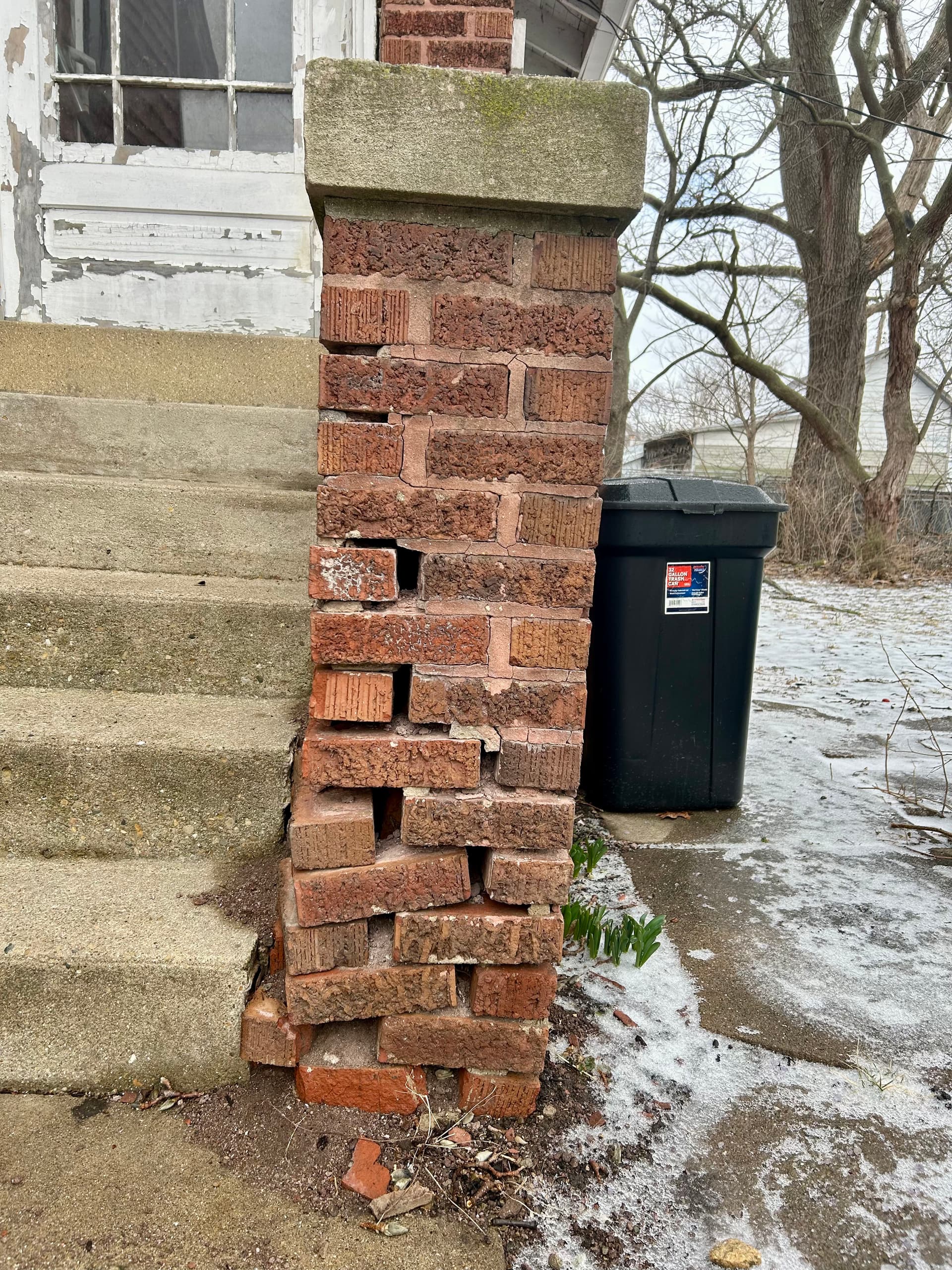
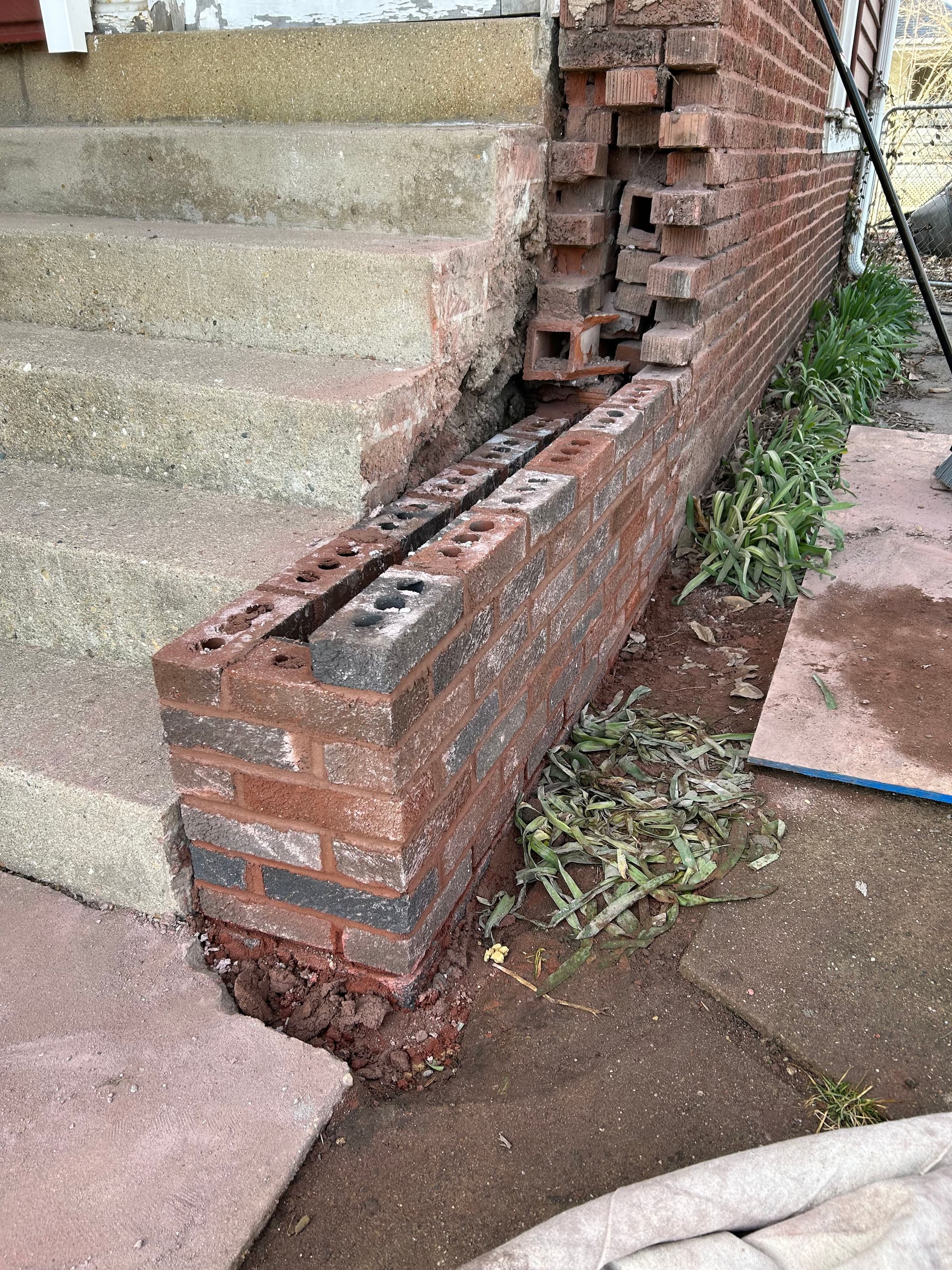
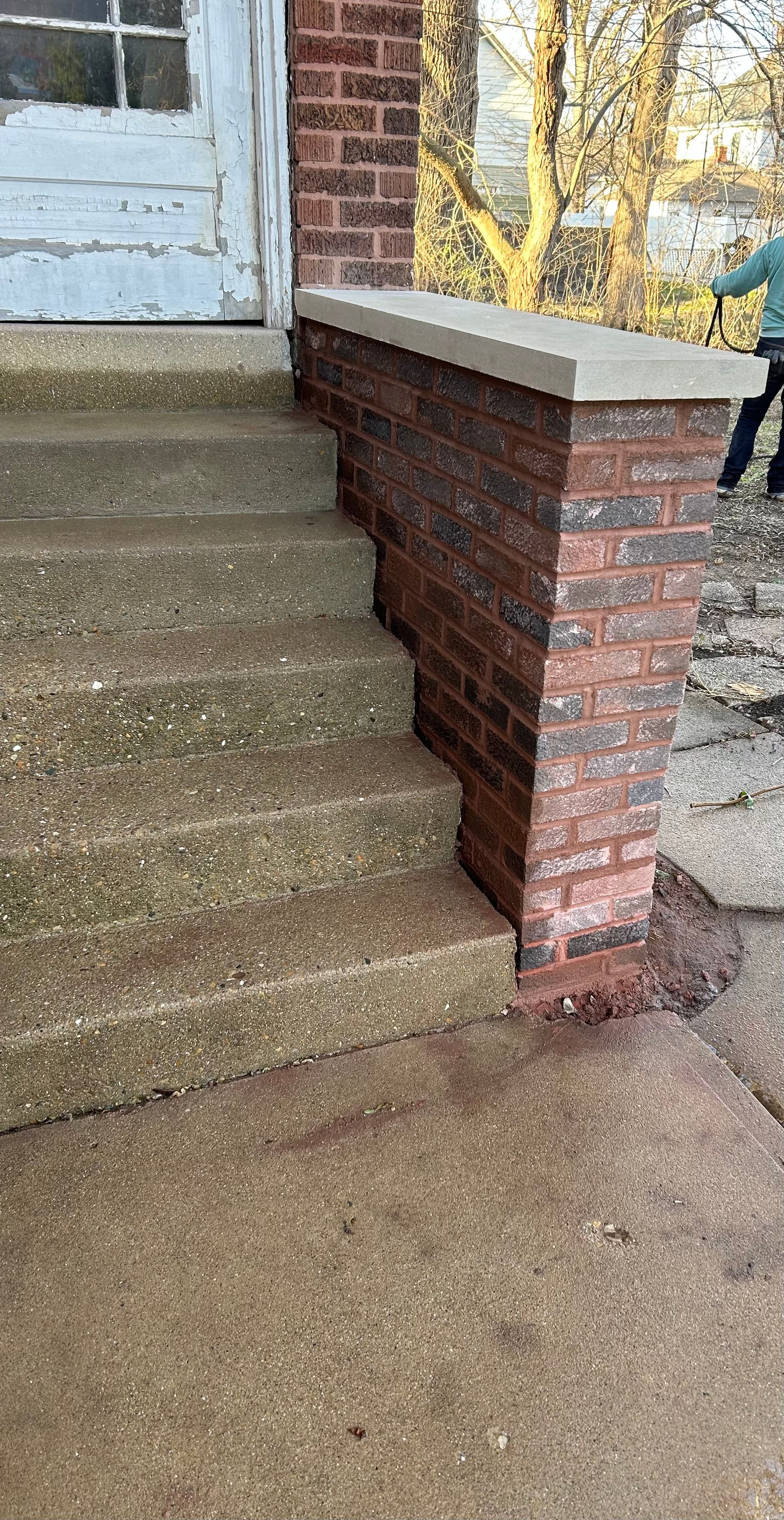
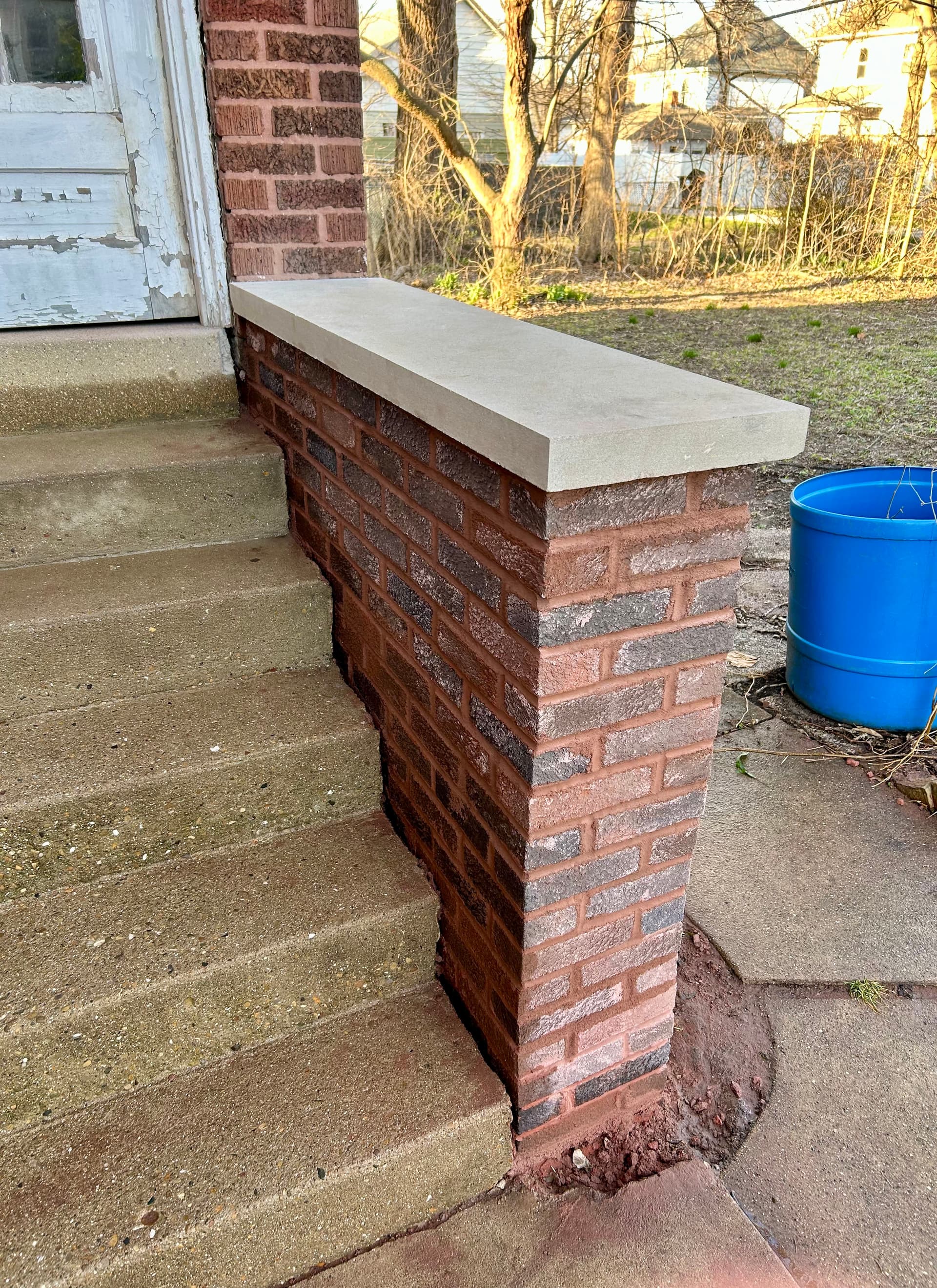
Here's what we were working with - a brick wing wall next to a set of front steps that had completely lost its structural integrity. The bricks were shifting outward, mortar joints had failed top to bottom, and the base of the wall was literally separating from the ground. This is classic freeze-thaw damage. Water gets into small cracks, freezes, expands, and slowly pushes everything apart. Over enough winters, a wall goes from "a little rough looking" to "basically falling over."
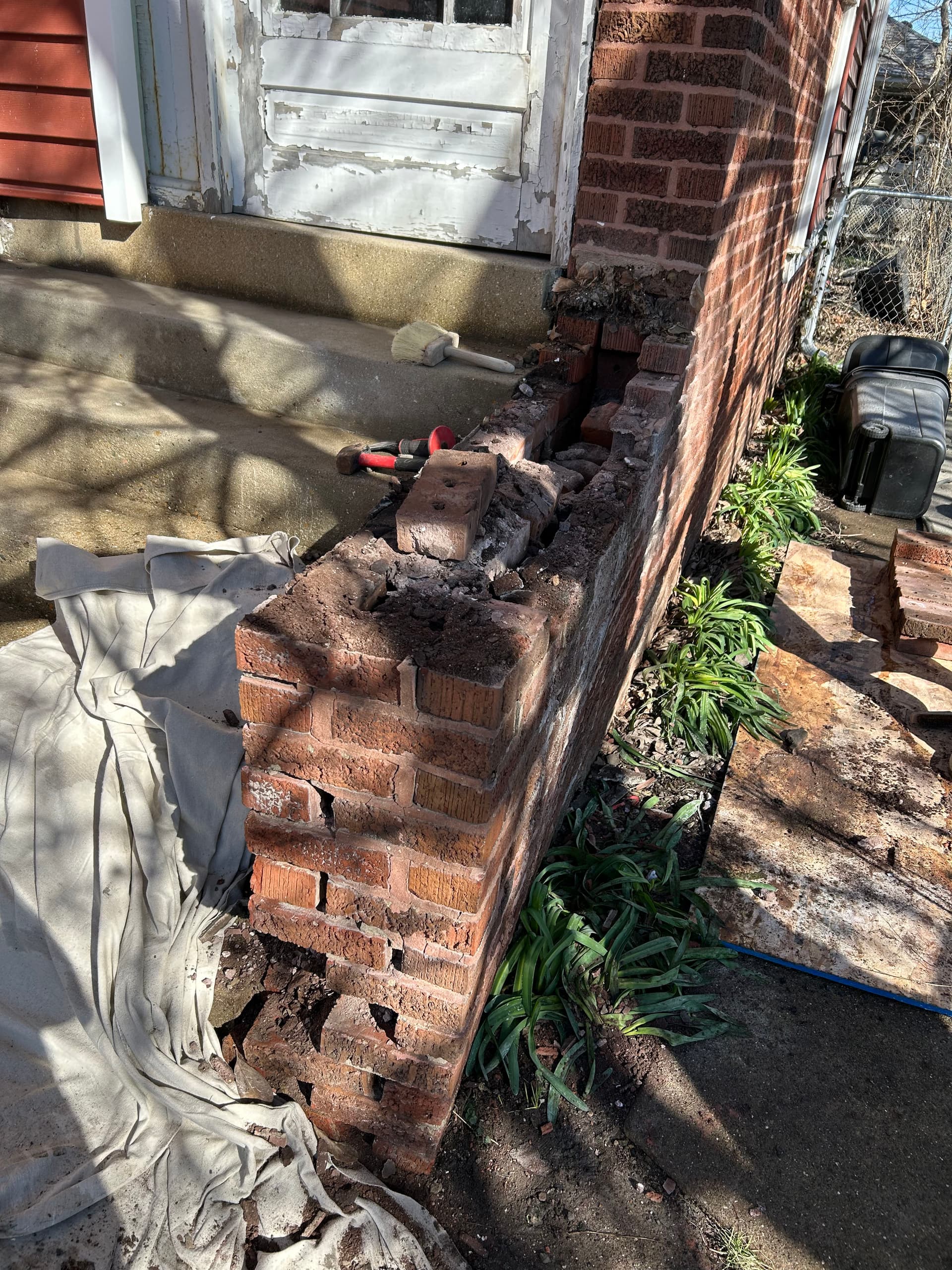
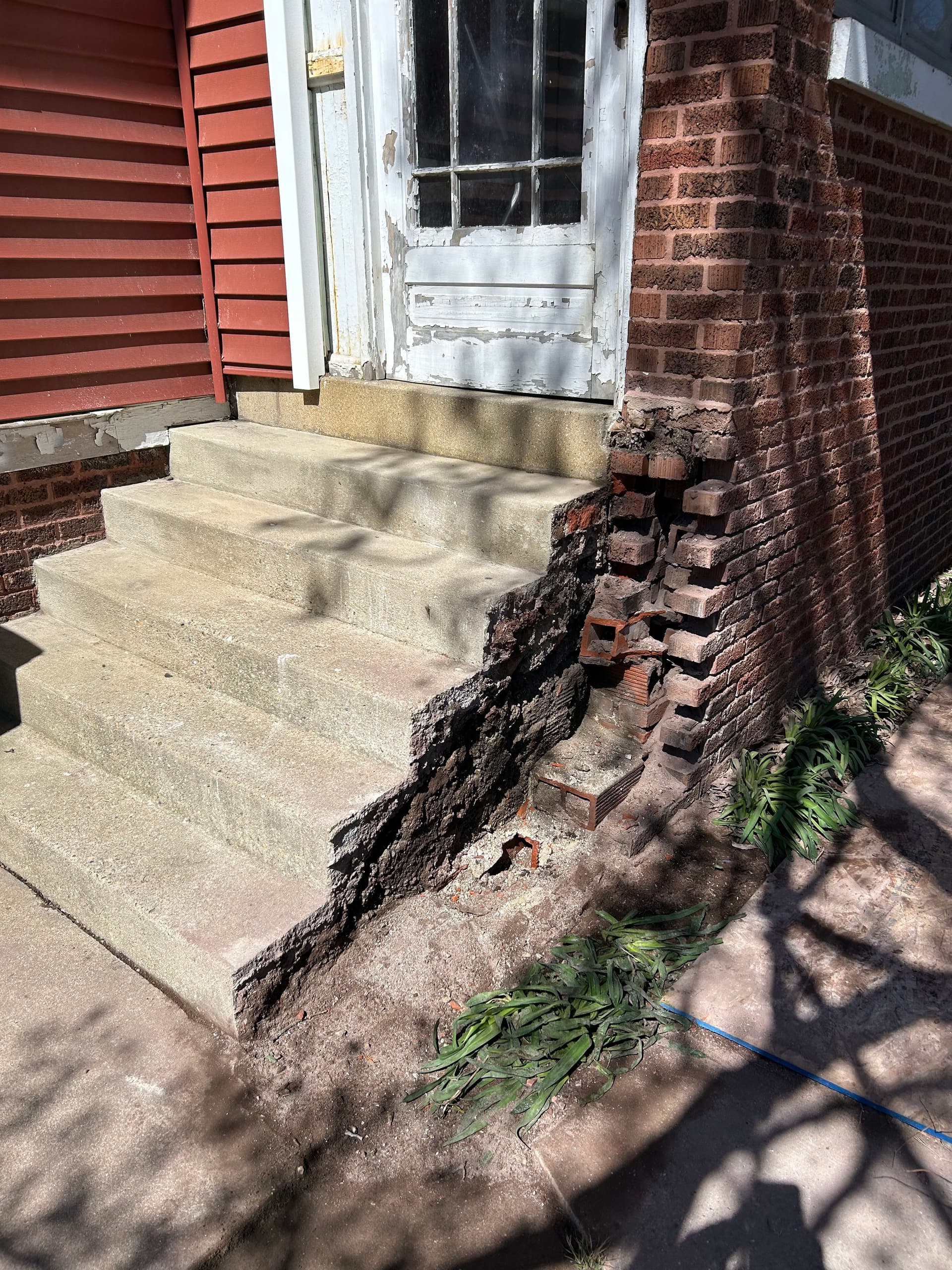
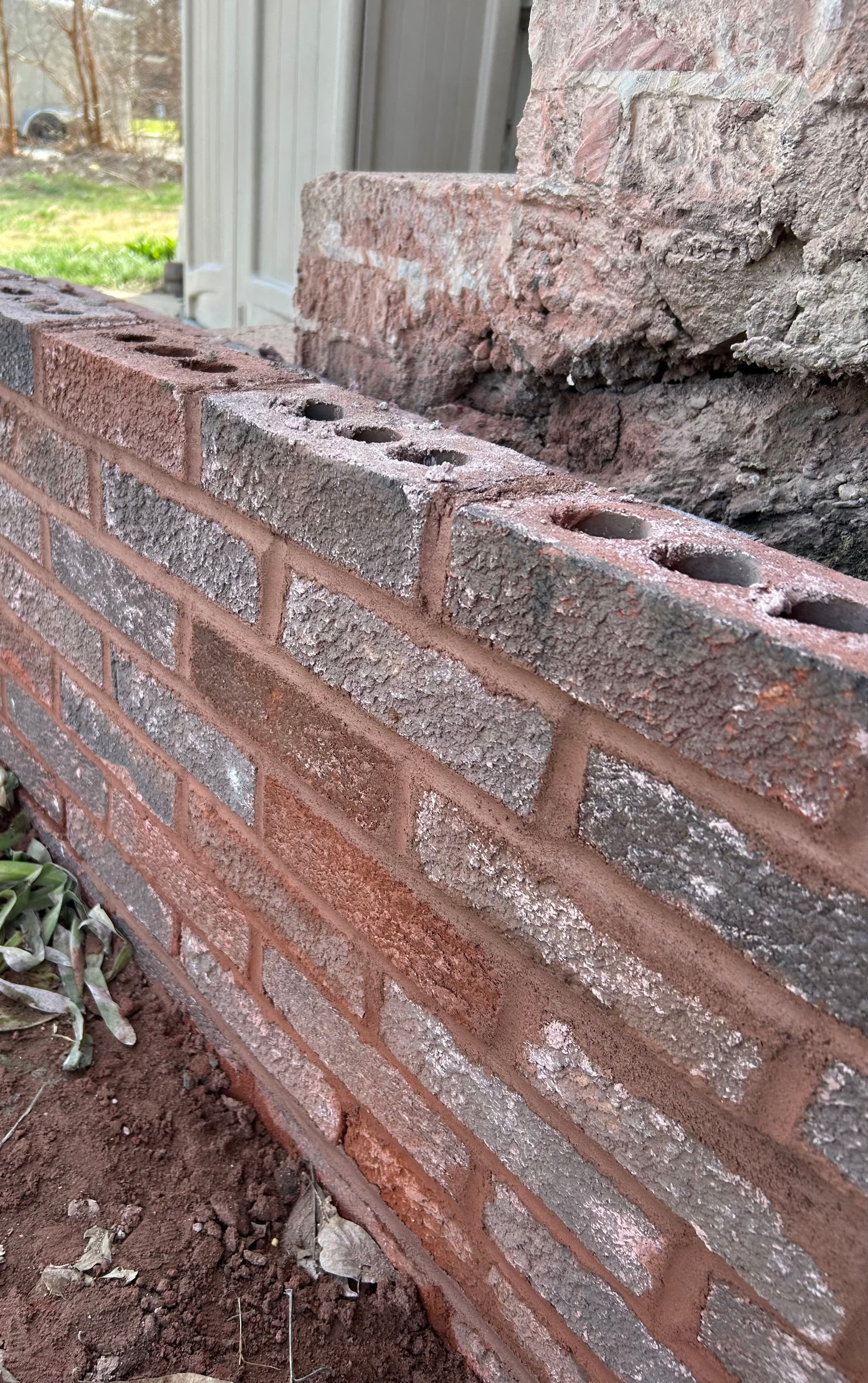
A patch job was never going to cut it here. When a wall has shifted this far and the footing underneath is compromised, slapping new mortar on the outside just kicks the problem down the road. We tore the whole thing out - down to bare ground - and started fresh with a new footing and a partial solid core built into the rebuild. That's the only way to actually fix it.
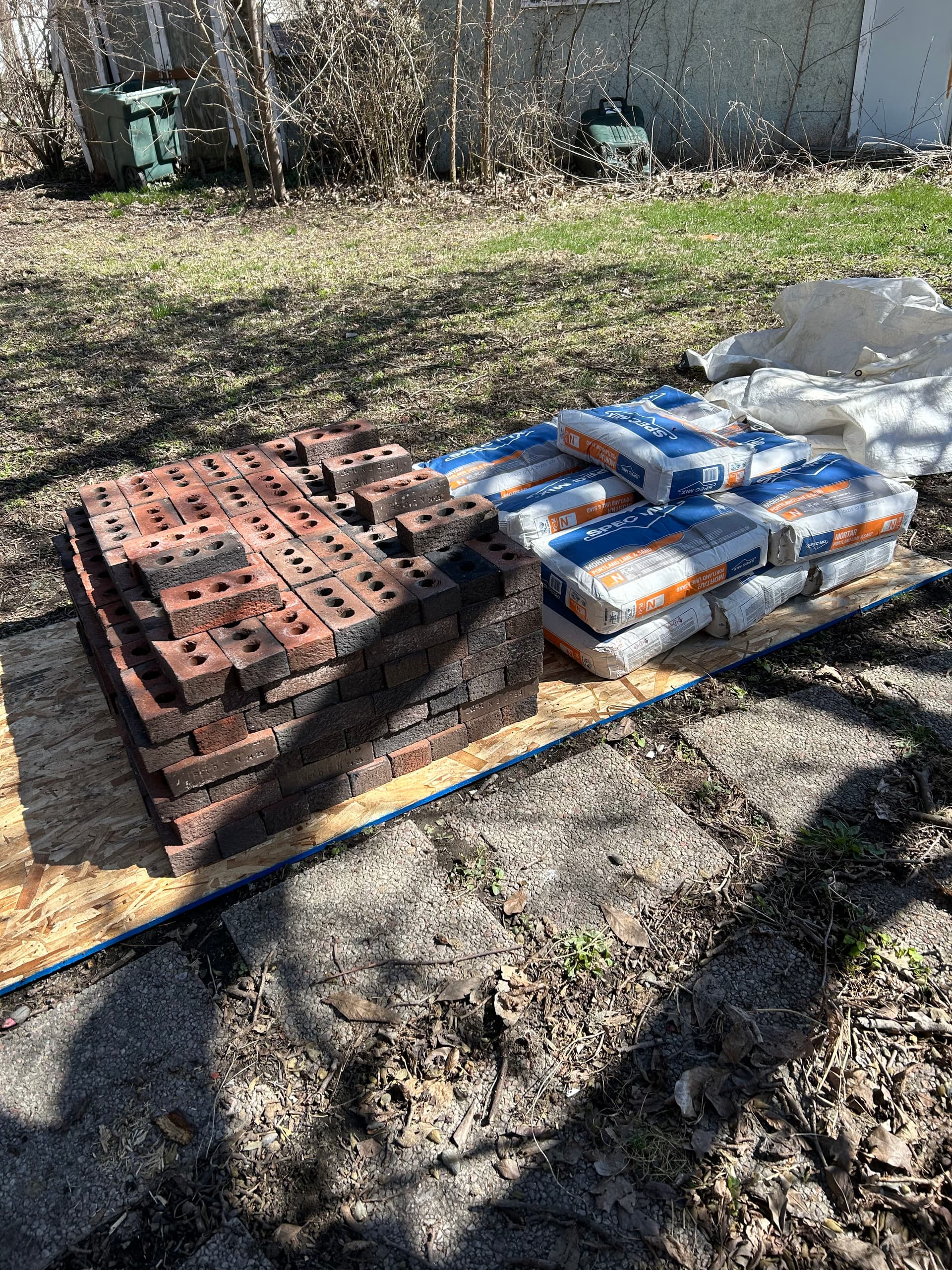
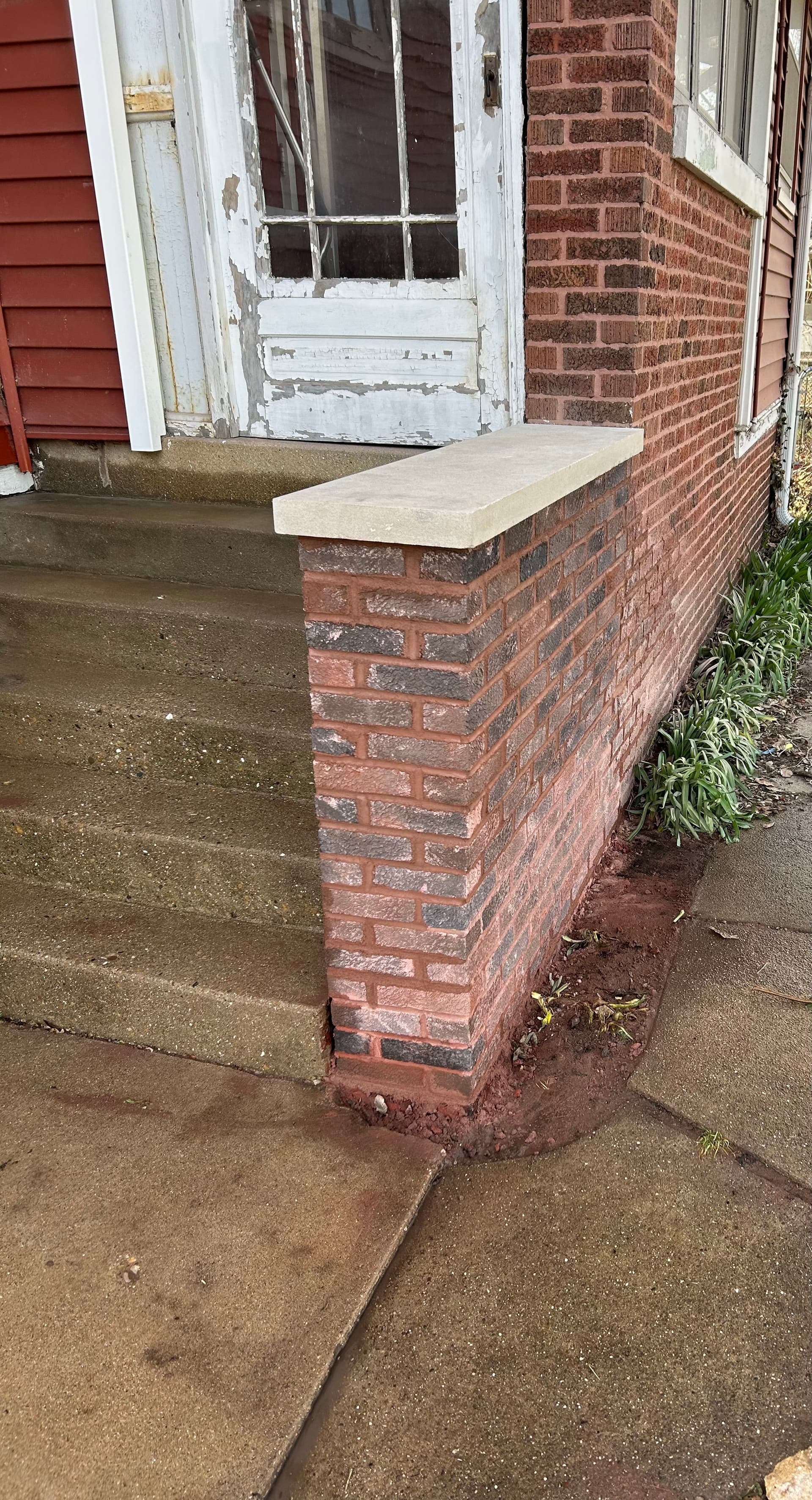
We matched the original red brick and laid everything back in tight, level courses with fresh mortar throughout. The corner detail where the wing wall meets the main structure got particular attention - that's a stress point, and it has to be done right. A new concrete cap was set across the top to protect the brickwork from water intrusion going forward.
The difference between the before and after on this one is hard to miss. What was a leaning, crumbling mess next to a set of steps is now a solid, properly built wall that will hold up through Illinois winters the way it was always supposed to. That's what real brick restoration looks like - not a cover-up, but a proper rebuild.
If your steps or brickwork are showing early signs of movement or cracking, it's worth getting eyes on it sooner rather than later. Small problems in masonry don't stay small for long, especially in climates with hard freeze-thaw cycles. Catching it early is almost always less work and less cost than waiting until it gets to this point.